
2026 Theme: KINDNESS

Be kind to one another, tenderhearted, forgiving one another, as God in Christ forgave you. Ephesians 4:32
Print a poster: [PDF] [JPG] [PNG]
Kindness is something our world is desperate for. With growing fears and anxieties, everyone could use a kind word or gesture. As Christians, God calls us to be the light in the world, to love and be kind to all.
Kindness is about showing up in the world with compassion and acting for the greater good of all. While being nice is about being polite, pleasant, and agreeable and doing what we think we should, kindness goes a step beyond.
Many people view kindness as a weakness, but it’s quite the opposite. It is a sign of strength. It is moving from “me” to “we,” seeing the bigger picture, and loaning someone your strength and support. Supporting someone by doing whatever you can, wherever you are, with whatever you have is a sign of who you are—a kind human.
Kindness is doing the things that may go without acknowledgment and thanks. Authentic and intentional kindness doesn’t expect anything in return. We can practice kindness for kindness’ sake, not for personal gain or the approval of others.
Most of us will have heard that “doing good is good for you” or “it’s better to give than to receive.” It may be a surprise to learn that the research genuinely supports this. When we show up for others kindly, the benefits go both ways. Practicing kindness for the sake of kindness is one of the greatest gifts we can give to others and ourselves.
Research shows that being kind boosts the production of the feel-good hormones (serotonin and dopamine), which give feelings of satisfaction and well-being, and activate the pleasure and reward areas in the brain of the givers and receivers. Endorphins, the body’s natural painkiller, can also be released and contribute to a “helper’s high”. Kindness also fosters our sense of belonging, what we at the Centre are all about, and helps us build and strengthen our relationships.
Here are some ways we can practice kindness:
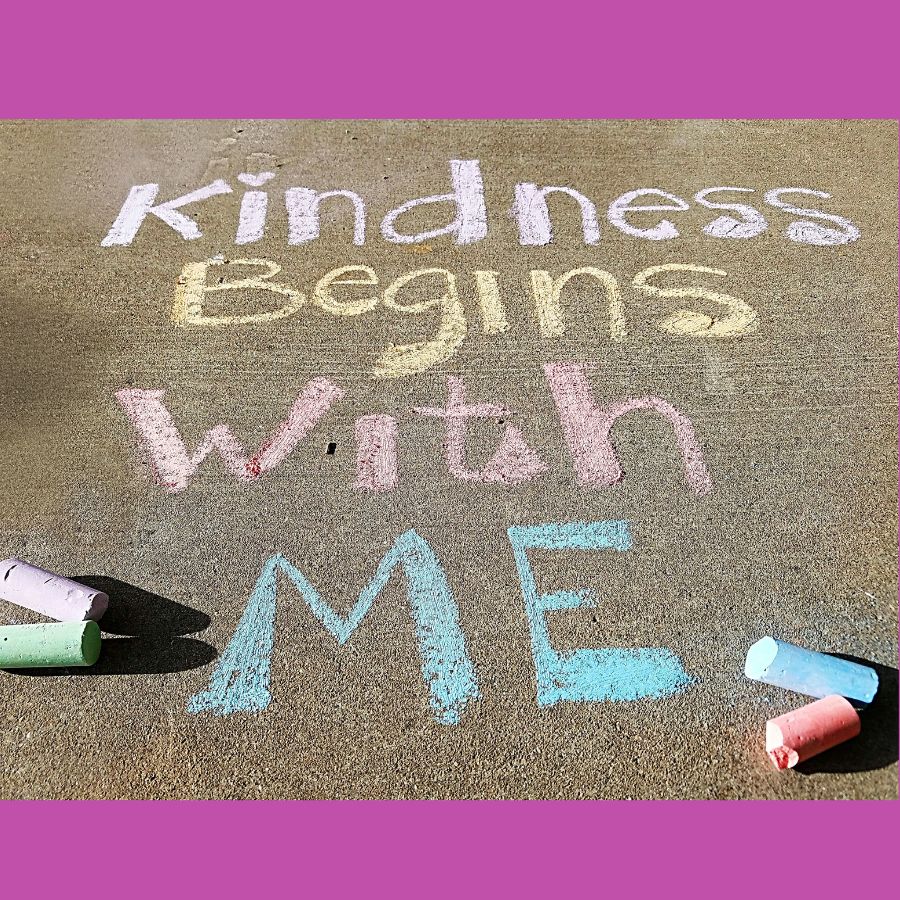
Be kind to yourself. We could all use a gentle reminder about being a little kinder to ourselves. For many of us, showing up kindly starts with repairing the relationship we have with ourselves. When we are kinder to ourselves, we are kinder to others.

Practice kindergarten basics: Manners, turn-taking, including others, and comforting that friend who fell and scraped their knee. A kind environment is the compound of many small, kind acts.

Show gratitude. When we feel grateful, we need to share this with others. Recognize and bring attention to what uplifts you. Tell someone they are doing a great job. End your work week by emailing someone who helped you out that week. Text or call a loved one to tell them they make a difference in your life.

Listen to understand, not respond or problem-solve. So often, when others are talking, we think about how we will reply or what solutions we will provide. The truth is that being present and listening is a form of showing the kindness that can make another feel heard, understood, and truly felt. Next time you ask someone how they are, hold space and really listen to what they have to say.
Being kind is about showing up as your true self and inviting others to come as they are, too. It is meeting yourself and others with compassion and understanding in the present moment. Each of us can be why someone believes there are good people in this world.
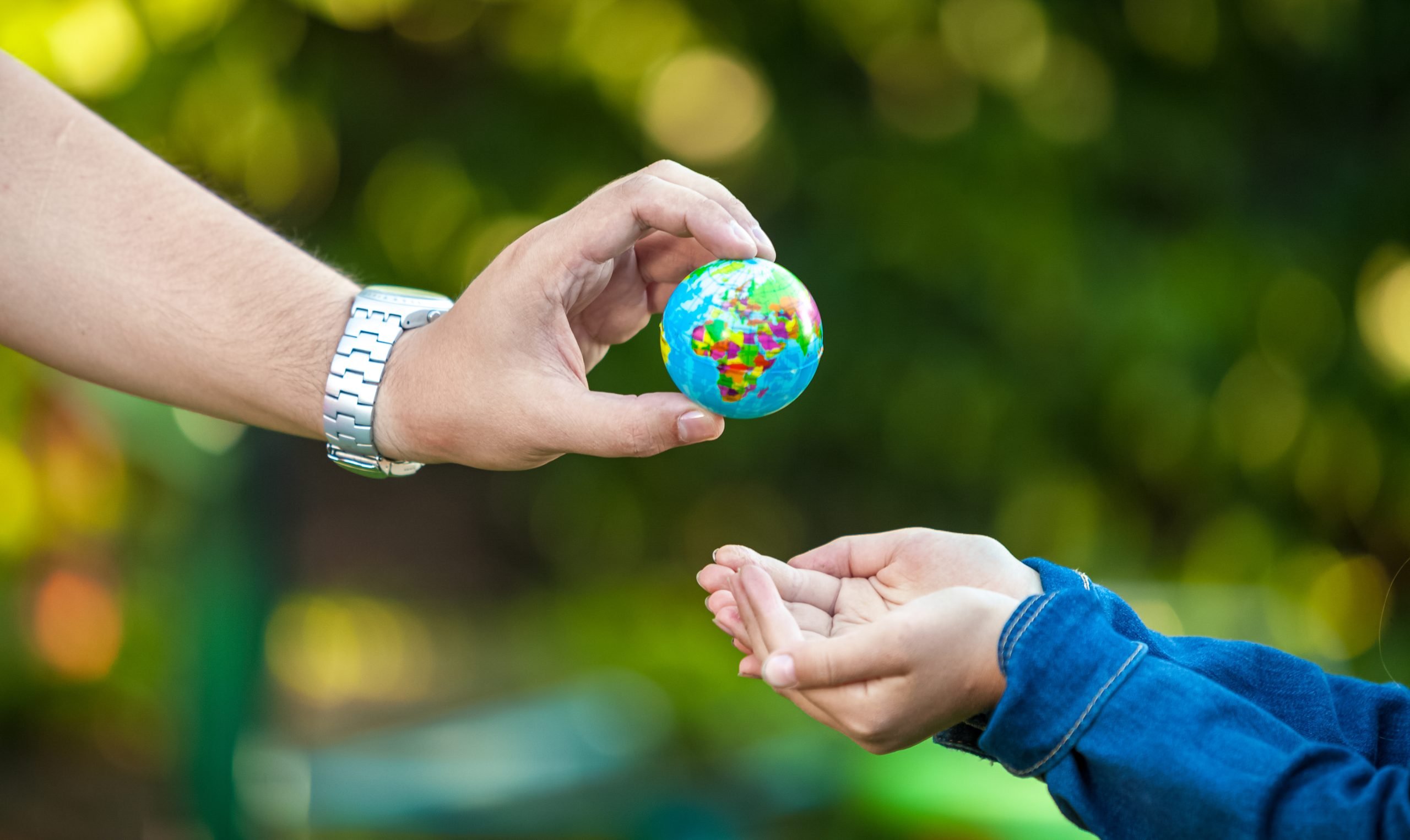
So, kindness might not make the world go ’round (we have momentum and gravity to thank for that), but kindness does certainly make the world a better place.
Think about the power that a kind gesture, a kind hand, a kind word, or a listening ear can have on someone in a moment when they feel like their world is crumbling. Think about the way that it can make an already good day that much better. Now think about the positive impact on the giver’s physical and mental health. The power of kindness is remarkable.

Although it may not be your first time hearing this, we leave you with this final request:
“In a world where you can be anything, be kind.” —Unknown

